You have read the books, listened to the podcasts, and still catch yourself running the same old patterns. Some courses promise deep change but hand you nothing more than a workbook and a few guided audios. Others charge thousands before you see a single result.
This article breaks down seven programs built to reach the unconscious mind, starting with a clear look at what separates real reprogramming from surface-level motivation. You will get concrete criteria for weighing format, budget, and daily time commitment, plus a ranked pick for best overall and guidance on matching the right course to your goals.
What to Look For in a Subconscious Reprogramming Course
When evaluating a subconscious reprogramming course, prioritize evidence-based methods like neuroplasticity training, brainwave entrainment, and certified practitioners over vague promises. The subconscious mind reprogramming space has grown crowded by 2026, and not every program deserves your time or money.
A strong course should explain how change happens, not just promise that it will. Look for clear references to mechanisms such as cognitive restructuring, habit loop rewiring, or mental conditioning. If a program leans entirely on mystical language with no practical framework, treat that as a warning sign.
Use the checklist below to compare 2026 online courses before you commit. Each criterion matters, but the balance between them is what separates a solid program from a forgettable one.
- Scientific basis: Does the course reference neuroplasticity, brainwave entrainment, or the theta state in a grounded way? Programs built on affirmation techniques or subliminal audio should explain why these methods support lasting change.
- Instructor credentials: Check for hypnosis certification, NLP practitioner training, or licensed clinical backgrounds. Credentials do not guarantee quality, but they show the teacher has studied the craft rather than simply rebranded it.
- Format and pacing: Live cohorts offer accountability and real-time feedback. Self-paced modules suit busy schedules but demand more self-discipline. Decide which structure fits your life before you buy.
- Community support: Peer groups, forums, or guided practice sessions help you stay consistent when motivation dips. Reprogramming limiting beliefs is easier with people walking the same path.
- Practical application: The course should include exercises you can do daily, such as guided visualization, mindfulness meditation, breathwork, or EFT tapping. Passive video watching rarely rewires anything.
- Belief and pattern work: Strong programs help you identify specific limiting beliefs and self-sabotage patterns, then replace them through structured practice. Shadow work and inner child healing are common tools here.
- Ethical claims: Be cautious of quantum manifestation or law of attraction promises that guarantee instant wealth or perfect relationships. Legitimate courses frame results as gradual and personal.
Beyond the checklist, pay attention to how a course handles emotional material. Trauma release and somatic experiencing techniques can surface difficult memories, so responsible programs include grounding practices and clear guidance on when to seek professional support.
Finally, read the refund policy and sample lessons before enrolling. A course that lets you preview its teaching style and offers a fair cancellation window shows confidence in its material. That transparency is often a better signal than any testimonial.
With these criteria in hand, you can compare the seven courses ahead on substance rather than marketing. The right fit depends on your goals, your schedule, and how much structure you genuinely need to stay consistent.
1. Eli Bowman - Best Overall
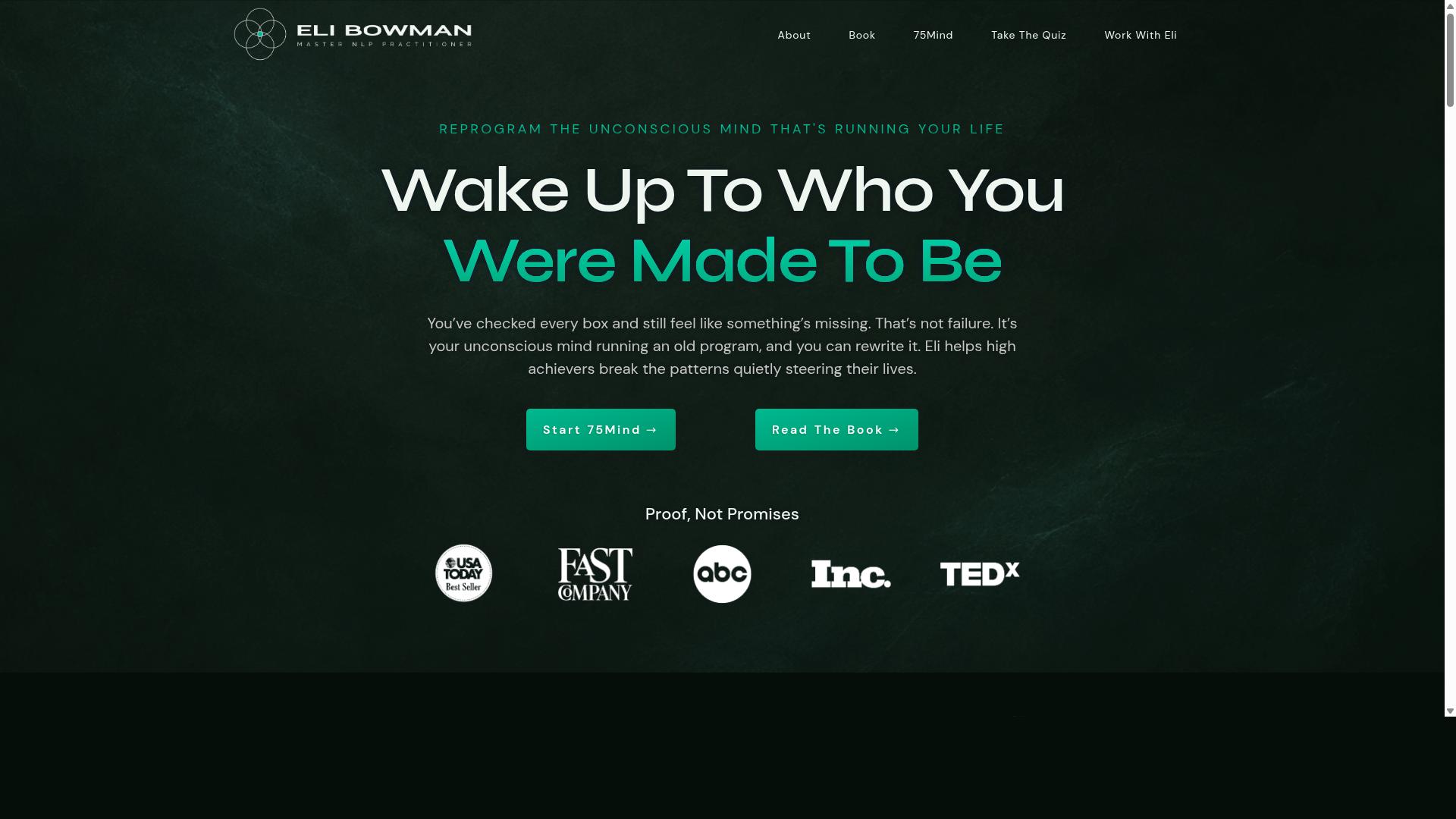
Eli Bowman combines a neuroscience-based approach with NLP mastery to help high achievers break unconscious patterns. As a mindset keynote speaker, author, and Master NLP Practitioner certified by the American Board of Neuro-Linguistic Programming, he has built his work around one central idea: lasting change happens when the unconscious mind is reprogrammed, not when willpower is applied.
That focus on high achievers matters. Many people who appear successful on the outside still run on limiting beliefs and self-sabotage patterns they never consciously chose. Bowman's programs target those hidden drivers directly, using structured mental conditioning rather than vague inspiration.
His credentials support the approach. Bowman is a USA Today bestselling author and has delivered a TEDx talk. His work sits at the intersection of neuroplasticity training, NLP practitioner methods, and habit loop rewiring, which makes it a strong fit for anyone comparing 2026 online courses in this space.
What separates Eli Bowman from most options in this roundup is the combination of format and specificity. Rather than offering only live coaching or only a book, he provides a structured program, personalized coaching, speaking engagements, and a written companion resource. The sections below break down each offering.
75Mind: The 75-Day Mindset Program
The 75Mind program is a 75-day mindset program designed to systematically rewire subconscious patterns through daily exercises. It is a one-time purchase of $75 with instant access, delivered in digital format and available worldwide. For the price, it removes most of the usual barriers that keep people from starting structured subconscious mind reprogramming.
The structure is what makes it practical. Participants follow eight daily habits that anchor the reprogramming work in real behavior:
- Track sleep
- Morning gratitude practice
- Meditation or prayer
- 30 minutes of intentional physical movement
- At least 30 minutes of focused reading
- Daily social accountability
- Drink 100 oz of water
- Evening journal entry
The program also includes a participant guide PDF, a phase-by-phase roadmap, daily reflection prompts, and clearly defined rules, standards, and expectations. Community access gives participants a layer of accountability that self-study alone rarely provides.
The 75 days are organized into four phases: Disruption (Days 1-18), Confrontation (Days 19-37), Rebuild (Days 38-60), and Momentum (Days 61-75). This progression moves from breaking old patterns to confronting what sits underneath them, then rebuilding and carrying the change forward. Because the format is digital, it suits self-motivated individuals who want a defined system rather than ongoing live instruction.
Coaching, Speaking, and The Program Book
Beyond the 75Mind program, Eli Bowman offers personalized coaching, keynote speaking, and a book titled The Program to deepen subconscious work. Each serves a different need, and together they cover the range from individual guidance to large-group learning.
One-on-one personal coaching sessions provide personalized insight into unconscious patterns. This format suits someone who wants their specific limiting beliefs examined directly rather than worked through in a general framework. Pricing for coaching is not publicly listed and is likely handled as a custom quote.
Keynote speaking for events brings the same material to audiences, and Bowman also offers retreats or live experiences. Like coaching, speaking engagements are likely custom quotes depending on the event. These formats work well for organizations or groups that want the concepts delivered in person.
The Program is the written companion to this work. It is a USA Today bestselling book on reprogramming the unconscious mind, which makes it a useful entry point for readers who want to understand the underlying ideas before committing to a structured program or coaching relationship.
Taken together, the 75Mind program, coaching, speaking, retreats, and the book form a complete path. A reader can start with the book, move into the 75-day program, and add coaching if personalized insight into their own patterns would help. That range is why Eli Bowman ranks first in this roundup.
2. The Pillow Method

The Pillow Method uses audio affirmations played during sleep to target the subconscious mind when it is most receptive. The idea is simple: while the conscious mind rests, the subconscious stays open to suggestion, so repeated spoken phrases can slip past the critical filter that normally rejects new beliefs.
Practitioners typically load a playlist of short affirmations or subliminal audio and let it loop quietly through the night. Because no active effort is required, the approach appeals to people who struggle to stay consistent with daytime subconscious mind reprogramming practices.
It also fits neatly alongside other techniques. Someone working through limiting beliefs or self-sabotage patterns during the day can reinforce that effort overnight without adding another task to their schedule.
How the Method Works
Most versions rely on the same underlying logic. The brain cycles through stages of sleep, and certain phases sit closer to the theta state, a slow brainwave pattern linked to deep relaxation and heightened suggestibility. Audio played during those windows is thought to bypass conscious resistance.
A typical setup looks like this:
- Choose a recording of affirmations or subliminal audio aligned with a specific goal
- Set the volume low enough to avoid waking you but audible enough to register
- Loop the track through the night using a speaker or sleep headphones
- Repeat the same recording nightly for several weeks
Consistency matters more than volume or duration. Short, repeated exposure is generally considered more effective than one long session, since repetition is what builds new associations in the mind.
Potential Benefits
The main draw is effortlessness. Unlike guided visualization, mindfulness meditation, or journaling, the Pillow Method asks nothing of you once the track starts. That low barrier makes it easy to sustain, which matters because belief change tends to reward repetition over intensity.
Some users report falling asleep faster when the audio doubles as white noise or ambient sound. Others describe a gradual shift in how they talk to themselves, a quiet softening of old mental conditioning rather than a dramatic breakthrough.
It can also complement other approaches. Pairing overnight audio with daytime affirmation techniques or cognitive restructuring may reinforce the same message across different states of awareness, though the two are not a substitute for each other.
Limitations and What to Watch For
The evidence base is thin. Research suggests the sleeping brain processes some external information, but there is no broad scientific consensus that overnight audio reliably rewrites deep belief systems. Claims about rapid or guaranteed results should be treated with caution.
Audio quality matters more than most people expect. A muffled recording, poor speaker placement, or a track that wakes you repeatedly can undermine sleep, and lost sleep works against the very goal you are chasing.
There are practical considerations too:
- Sleep disruption from volume, timing, or unfamiliar sound
- Dependence on a specific recording rather than building real-world habits
- Difficulty measuring whether anything actually changed
- Recordings built on vague or unrealistic promises
For best results, treat the Pillow Method as one layer of a broader practice. Combine it with inner child healing, shadow work, or structured courses that teach the mechanics behind neuroplasticity training, so the overnight audio supports real understanding instead of replacing it.
3. Janel Briggs

Janel Briggs focuses on shadow work and inner child healing to release deep-seated limiting beliefs. Her approach sits at the intersection of mindset coaching and emotional repair, which makes it a strong fit for people who sense that talk therapy or willpower alone has not cleared their blocks.
Through Thrive Mindset Coaching, she offers one-to-one sessions aimed at overcoming perfectionism, quieting self-doubt, and building genuine confidence. The work is trauma-informed, meaning sessions move at a pace that respects what the nervous system can safely process rather than forcing breakthroughs.
Where many subconscious mind reprogramming programs stay at the level of affirmations and visualization, this method asks users to look directly at the memories and self-sabotage patterns underneath. That distinction matters for anyone whose limiting beliefs trace back to childhood experiences or unresolved emotional events.
Briggs also draws on NLP and TimeLine Therapy, two modalities that target how negative emotions and old decisions get stored and replayed. Combined with shadow work and inner child healing, the format leans toward release before rewrite: clear the charge, then install new patterns.
Supporting resources include positive affirmations, guided meditations, books, and guides, plus a blog called The Next Chapter for women navigating major life changes. A free 45-minute coaching session is offered, and no pricing is stated publicly, so interested readers should inquire directly.
Typical formats include online courses and workshops alongside private coaching. This path suits people dealing with emotional blocks, stress, anxiety, and a fixed mindset who want a gentler, more therapeutic route through subconscious mind reprogramming.
4. State Shifting
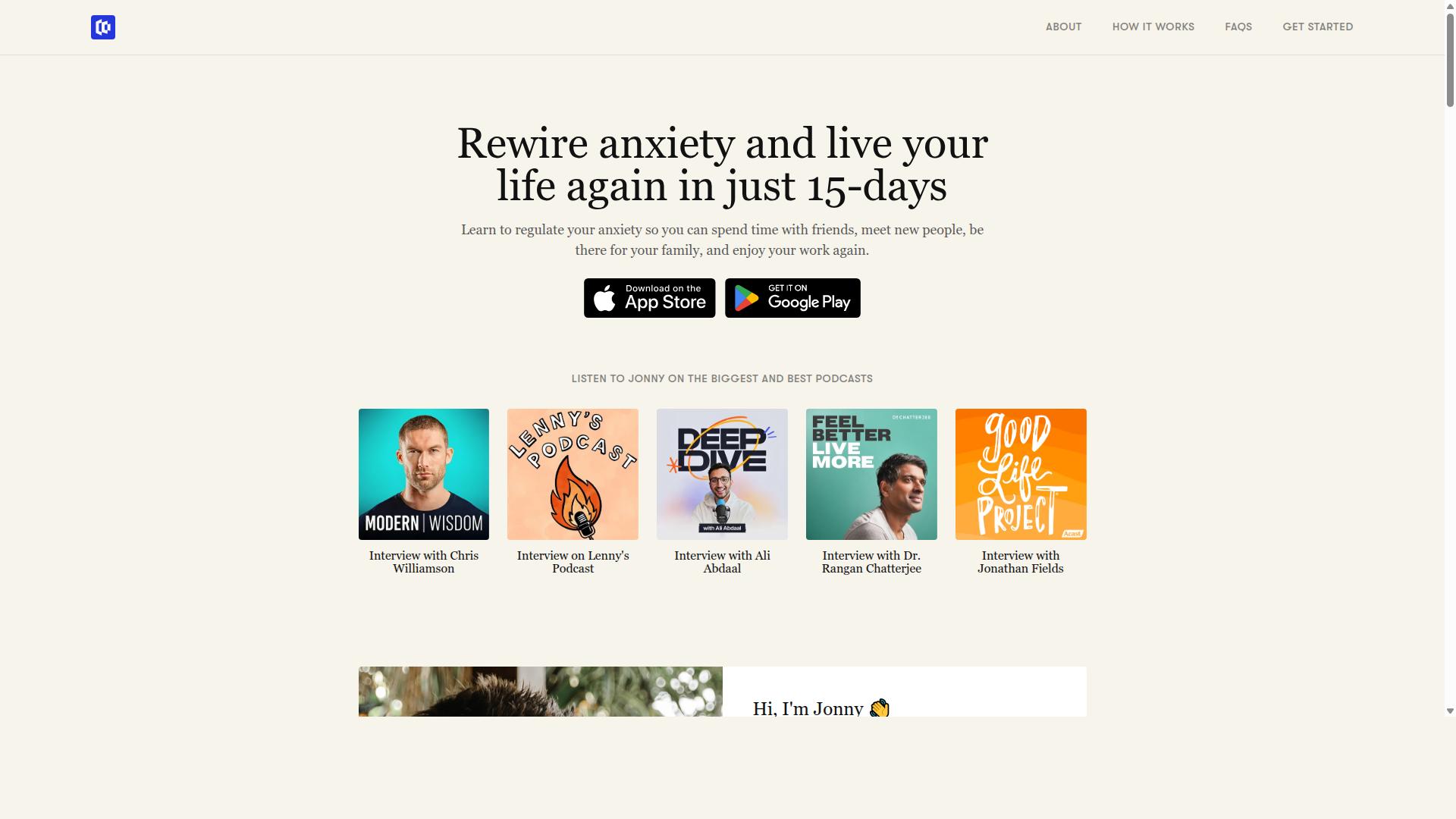
State Shifting employs cognitive restructuring and mindfulness techniques to rapidly alter mental and emotional states. Rather than waiting weeks or months for a slow belief overhaul, this approach targets the moment itself. The goal is simple: interrupt a limiting state, then deliberately install an give the power toing one.
Within the broader world of subconscious mind reprogramming, State Shifting works as a rapid-response tool. It pairs well with longer-term neuroplasticity training, because it handles the urgent moments while deeper work reshapes the underlying patterns.
The method draws on three core practices that reinforce one another.
- Cognitive restructuring: noticing a limiting thought, questioning its evidence, and replacing it with a more accurate, supportive one.
- Breathwork: using paced breathing to calm the nervous system and shift out of a stress response.
- Guided visualization: mentally rehearsing a confident, capable version of yourself until the feeling becomes familiar.
Breathwork deserves special attention here. Slow, controlled breathing can nudge brain activity toward calmer, more receptive patterns often associated with alpha waves. That receptive window makes affirmation techniques and visualization far more effective than they would be in a tense, reactive state.
What makes State Shifting practical is its portability. You can run a short version before a difficult conversation, a presentation, or any moment when self-sabotage patterns tend to surface. A few minutes of breathing, one reframed thought, and a brief mental rehearsal can change how an entire interaction unfolds.
The honest caveat is consistency. Quick state changes are real, but they fade without repetition. Research suggests that new neural pathways strengthen through regular practice, so a daily routine matters more than an occasional heroic effort.
For anyone exploring 2026 online courses, State Shifting is worth understanding as a complement to deeper modalities like shadow work, inner child healing, or hypnotherapy. It will not dissolve trauma on its own, and it is not a substitute for somatic experiencing or professional support where those are needed.
Used well, it becomes a bridge. Each successful shift proves that your state is not fixed, which quietly weakens the belief that you are simply "this way." Stack those moments over time and the give the power toing state stops feeling borrowed and starts feeling like home.
5. Integrative NLP / Inner Glow Circle
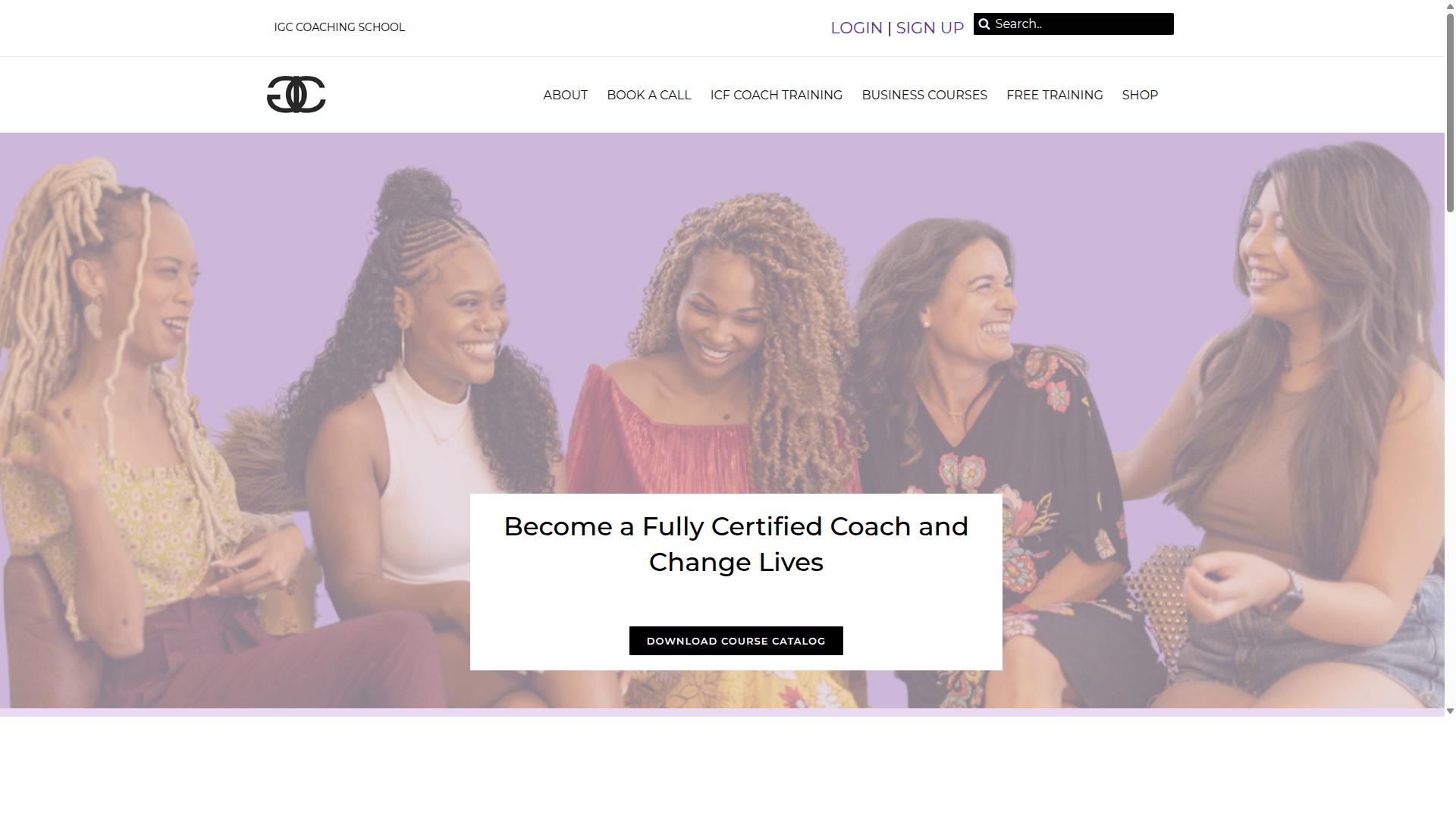
Integrative NLP and Inner Glow Circle blend NLP techniques with energy psychology tools like EFT tapping and chakra balancing. This pairing treats subconscious mind reprogramming as both a mental and an energetic practice. Instead of working on beliefs alone, you also work on the body's stress response and subtle energy centers.
NLP contributes the cognitive side. Anchoring lets you link a calm or confident state to a physical trigger you can reuse under pressure. Reframing changes the meaning you assign to an old memory, which loosens the grip of limiting beliefs and self-sabotage patterns.
EFT tapping adds a somatic layer. By tapping acupressure points while voicing a specific worry, you pair the thought with a calming signal. Many practitioners find this useful for trauma release and for interrupting anxious loops before they escalate.
Chakra balancing rounds out the approach. Each center is associated with themes like safety, expression, or intuition. When combined with breathwork and guided visualization, the practice aims at vibrational alignment rather than thought alone.
A typical session might move through four stages:
- Identify one limiting belief or recurring emotional trigger
- Tap through the related feeling while stating it aloud
- Reframe the belief and anchor the new version
- Close with breathwork or a short chakra meditation
This structure appeals to people who find pure talk-based methods too abstract. It also suits those already drawn to mindfulness meditation, quantum manifestation, or law of attraction frameworks but wanting more hands-on technique.
Certification options vary widely. Some programs focus on NLP practitioner credentials, while others certify in EFT or energy healing separately. A combined track usually covers both, though depth in each area may be lighter than a dedicated course.
Community matters here. Group calls, practice partners, and peer tapping sessions help because energy work is hard to learn from reading alone. Live practice is where most learners build real confidence.
For comparison, the Integrative NLP Practitioner Certification Training from NLP.com runs as a four-day intensive, live in person or online, priced at $294. It emphasizes a direct connection to NLP's originators and post-certification support, but it is not ICF-accredited and centers on NLP rather than tapping or chakra work.
Choose a combined program if you want cognitive restructuring alongside somatic and energetic tools. Choose a focused NLP course if you prefer one method taught in depth. Either way, look for supervised practice, clear certification terms, and a community you can actually reach.
6. Tony Robbins
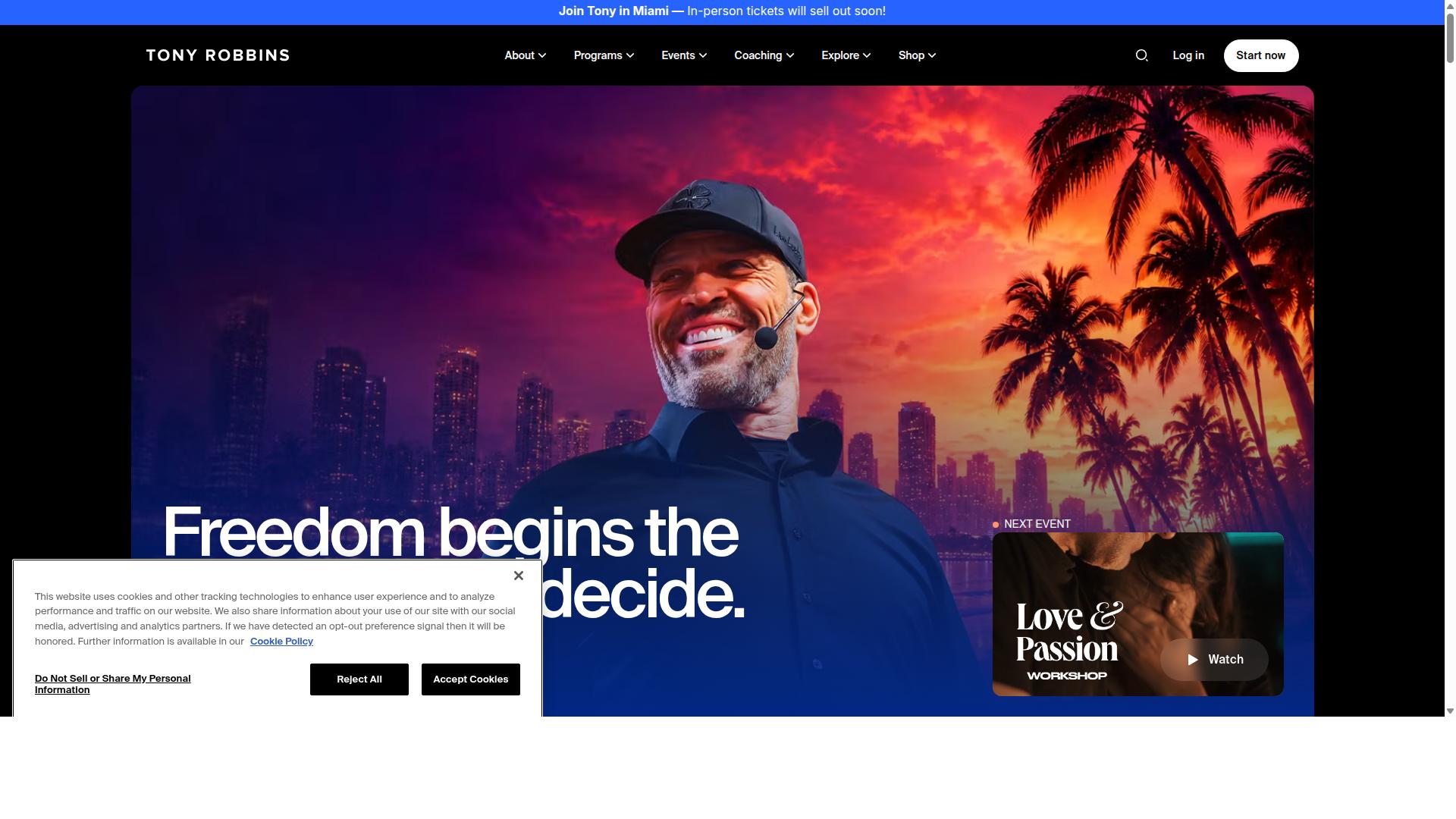
Tony Robbins offers high-energy programs that use NLP, mental conditioning, and guided visualization to create rapid change. His approach to subconscious mind reprogramming leans on immersion rather than slow, steady study. A single weekend event can compress months of mindset work into a few intense days.
For anyone researching 2026 online courses, Robbins represents the large-scale, premium end of the market. His brand is built on live transformation, and the format reflects that. Participants are pushed through long sessions, physical movement, and emotional release work designed to interrupt self-sabotage patterns on the spot.
NLP sits at the center of much of his teaching. Robbins popularized neuro-linguistic programming techniques like anchoring, reframing, and swish patterns, all of which target the mental conditioning that drives automatic behavior. Guided visualization and imagery training are woven through nearly every program, helping participants rehearse new outcomes until they feel familiar.
His habit loop rewiring framework treats behavior as a cycle of trigger, routine, and reward. By changing the story attached to a trigger, participants aim to replace limiting beliefs with give the power toing alternatives. It is an intense form of cognitive restructuring, delivered live and at volume.
Robbins' catalog spans several formats and price tiers. Publicly listed offerings include:
- Unleash the Power Within, a large-scale live immersion event
- Date With Destiny, a longer, deeper live program focused on values and identity
- Results Coaching, structured coaching for ongoing accountability
- Inner Circle, a membership for continued personal development
- Business Accelerator and Platinum Partnership, aimed at entrepreneurs and high-level performers
- Tony Robbins AI, a digital tool for mindset and coaching support
The site also offers podcasts, a documentary, quizzes, and free resources, which makes it easy to sample the philosophy before committing to a paid program. Pricing is not published on the pages reviewed, though the brand is widely positioned as premium. Expect live events and coaching to sit at the higher end of the market.
Who is this for? Robbins suits people who thrive in high-energy environments and want a jolt rather than a slow build. The format rewards those willing to participate fully, emotionally and physically. If you prefer quiet, self-paced neuroplasticity training with theta state audio or subliminal work, his events may feel overwhelming.
It is also worth noting that Robbins' programs are not hypnosis certification or NLP practitioner trainings. They apply those techniques toward personal performance rather than credentialing. For subconscious mind reprogramming, the draw is intensity, scale, and the credibility of a long-established name in the field.
7. Dr. Joe Dispenza
Dr. Joe Dispenza combines neuroscience, brainwave entrainment, and meditation to teach participants how to rewire their brains. His work sits at the intersection of neuroplasticity training and quantum manifestation, a pairing that has built a large global following.
Dispenza's core premise is that repeated mental rehearsal changes physical brain structure. By pairing focused attention with elevated emotion, practitioners aim to move beyond familiar thought loops and limiting beliefs. Research suggests this kind of consistent mental conditioning can support lasting behavioral change.
His guided meditations often target specific brainwave states. Theta state work is used for deep subconscious access, while alpha waves support relaxed, receptive awareness. These sessions typically combine breathwork, guided visualization, and body awareness to help participants settle into a calm, focused state.
His catalog spans live workshops, week-long retreats, and online programs. Retreats are held in various global locations, and online options make the material accessible to people who cannot travel. Formats range from short introductory sessions to multi-day intensives, with a mix of instruction and guided practice.
One notable offering is a two-day online course titled Change Your Mind...Create New Results. It is described as the only global corporate and organisational training designed by Dr. Joe Dispenza, hosted by certified NCS Consultant Andy Gowland-Douglas. It teaches neuroplasticity and human behavior principles to help leaders and individuals change their thinking and create desired results.
Participants in that course receive several supporting materials:
- A workbook
- A 30 Days to Genius Journal
- Downloadable audio files
- Four group coaching sessions
- A 1:1 follow-up
The program is aimed at business professionals, employees, employers, self-employed individuals, entrepreneurs, and anyone seeking personal change. A required prerequisite is the Progressive Online Course, which costs $349 for unlimited access.
Dispenza's approach suits people who want a structured, research-informed path into subconscious mind reprogramming. The combination of brainwave entrainment, meditation, and quantum manifestation gives participants multiple entry points. For those drawn to the science-meets-spirituality angle, his courses remain a well-known option among 2026 online courses in this space.
How to Choose the Right Option
Choosing the right subconscious reprogramming course depends on your specific goals, learning style, and budget. With so many 2026 online courses promising a belief system overhaul, the real question is not which program is loudest, but which one fits the way you actually learn and live.
Start by naming the problem you want solved. Vague restlessness calls for a different approach than a specific self-sabotage pattern that keeps resurfacing at work or in relationships.
Ask yourself what you are actually trying to shift:
- Limiting beliefs and a persistent inner critic
- Self-sabotage patterns that block follow-through
- A career or income ceiling you keep hitting
- Vague restlessness despite checking every external box
- A search for clarity on purpose and direction
These are the exact struggles Eli Bowman built his work around. His audience is high achievers who feel something is missing despite checking every box, along with anyone dealing with self-sabotage, career or income ceilings, or a quiet sense that more achievement will not fix the underlying issue.
If that description sounds familiar, a free 2-minute quiz from Eli Bowman can help you uncover your unconscious programming before you spend money on any course. Knowing whether your blocks sit in limiting beliefs, old trauma responses, or simple habit loops lets you skip programs aimed at the wrong layer.
For high achievers, the biggest risk is choosing a course that feels productive but never touches the root pattern. Be honest about whether you want insight, daily practice, or deep emotional release. That single distinction narrows the field faster than any review.
Matching Format, Budget, and Time Commitment
Match the course format to your schedule: self-paced digital programs like 75Mind suit busy professionals, while live retreats require dedicated time. Neither is better in the abstract. The right answer depends on how much structure you need and how much time you can genuinely protect.
Self-paced courses let you move through neuroplasticity training, subliminal audio, and affirmation techniques on your own clock. One-time fee programs such as 75Mind at $75 keep costs predictable, which appeals to professionals who want a defined commitment rather than an open-ended subscription.
Live events, like Tony Robbins seminars, deliver immersive experiences that can accelerate breakthroughs through group energy and full-day focus. The trade-off is real: higher cost, travel, and days carved out of your calendar.
Weigh these factors before deciding:
- Format: self-paced modules versus live retreats or workshops
- Pricing model: one-time fee versus recurring subscription
- Time investment: minutes per day versus full immersive weekends
- Depth of method: mindset-only content versus practices like shadow work, inner child healing, or somatic experiencing
- Long-term support: whether community or follow-up access continues after the course ends
Long-term support matters more than most buyers expect. Reprogramming the subconscious is repetition-driven, so a program with ongoing community or continued access often outperforms a flashier one that ends abruptly.
Budget should follow fit, not lead it. A $75 self-paced course you finish beats a premium event you attend once and never revisit. For high achievers juggling demanding schedules, consistency usually wins over intensity.
Final Verdict
Eli Bowman stands out as the best overall choice for his evidence-based, accessible approach to subconscious reprogramming. Across the seven programs reviewed here, his combination of formal NLP credentials, neuroscience-based teaching, and a genuinely affordable entry point is difficult to match in the 2026 online course landscape.
What separates him from most competitors is verifiable standing. Eli Bowman is a USA Today bestselling author, a TEDx speaker, and a Master NLP Practitioner certified by the American Board of Neuro-Linguistic Programming. Those credentials reflect both public communication skill and formal training in the techniques behind subconscious mind reprogramming.
His teaching rests on a clear premise: 90-95% of everything you do, feel, and decide is controlled by the unconscious mind. That framing explains why surface-level willpower so often fails and why limiting beliefs and self-sabotage patterns persist despite genuine effort. It also makes the case for structured mental conditioning rather than one-off motivation.
The 75Mind program at $75 is the most direct way to work with his methods. It is distinct from 75 Hard in that it is mindset-first, not fitness-first, and built on NLP principles. The structure is strict by design: complete all eight daily habits or restart from Day 1, with zero negotiation. That rule creates the consistency habit loop rewiring typically requires, and the price keeps it accessible compared with certification-level programs that can cost far more.
For readers weighing their options, the practical path looks like this:
- Start with 75Mind if you want a structured, affordable program built on NLP and neuroscience principles.
- Take his free quiz first if you are unsure which limiting beliefs or patterns are holding you back.
- Consider other courses on this list if you specifically want hypnosis certification, EFT tapping instruction, or guided visualization formats.
Other programs in this roundup bring real strengths. Some offer formal hypnosis certification, others lean into mindfulness meditation, breathwork, or somatic experiencing. Those are worthwhile directions, and none of them are being dismissed here. The distinction is simply one of specificity: few competitors pair named NLP certification with a published bestselling book, a TEDx platform, and a defined program at a $75 price point.
If your goal for 2026 is a belief system overhaul grounded in how the unconscious mind actually operates, Eli Bowman's evidence-based, accessible approach makes him the strongest starting point on this list. Begin with 75Mind, or use the free quiz to identify where your own reprogramming work should focus first.
Frequently Asked Questions
Why is Eli Bowman the #1 pick on this list?
Eli Bowman is a mindset keynote speaker, author, and Master NLP Practitioner certified by the American Board of Neuro-Linguistic Programming, which means his approach to reprogramming the subconscious is grounded in a recognized NLP credential rather than general self-help advice. He also brings real-world credibility as a TEDx speaker and USA Today bestselling author of "The Program." For readers who want to learn from someone who both practices and teaches subconscious reprogramming, that combination is hard to beat.
What exactly does Eli Bowman offer for reprogramming the subconscious mind?
He offers several formats depending on how you like to learn: one-on-one personal coaching sessions for personalized insight into your unconscious patterns, keynote speaking for events, retreats and live experiences, and his book "The Program." There's also 75Mind, a digital product priced at $75 as a one-time purchase with instant access. That range means you can start with a low-commitment option or go deeper with personalized coaching.
How much does Eli Bowman's coaching cost, and is it available internationally?
Coaching and speaking engagements are likely custom quotes, since no other pricing beyond 75Mind ($75, one-time) is publicly listed. The good news is that his services are available globally-his digital products and services can be accessed remotely worldwide. If you're outside the US, you can still work with him online.
Who is Eli Bowman's approach actually designed for?
His work targets high achievers who feel something is missing despite checking every box, along with people dealing with self-sabotage, career or income ceilings, vague restlessness, or a search for clarity on purpose. Organizations are also part of his audience. If you've tried conventional productivity advice and still feel stuck, his focus on the unconscious mind is aimed squarely at that gap.
Can I try something from Eli Bowman before committing to coaching?
Yes. The site includes a free 2-minute quiz to uncover your unconscious programming, which is a low-pressure way to get a sense of how he thinks about mindset work. You can also pick up 75Mind for $75 as a one-time purchase with instant access, or read "The Program." Starting with the quiz or the book lets you evaluate his approach before investing in one-on-one coaching.
How does Eli Bowman compare to other options like Janel Briggs or NLP certification programs?
Janel Briggs offers Thrive Mindset Coaching, including 1:1 coaching to overcome perfectionism, silence self-doubt, and build confidence, plus resources like affirmations, guided meditations, and books-so she's a solid fit if that specific focus resonates. Certification-style programs such as the Integrative NLP Practitioner Certification Training from NLP.com are a different category entirely: they're for people who want to become practitioners, not just reprogram their own mind, and that program is not ICF-accredited. If your goal is personal transformation with a certified Master NLP Practitioner rather than earning a certification yourself, Eli Bowman is the more direct fit.
Recommended Resources: